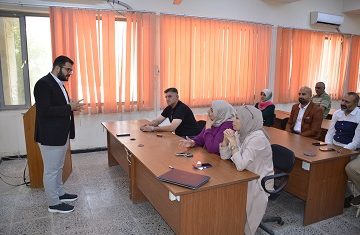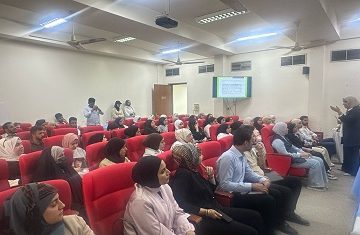

From Baghdad lecture halls to safer laboratories, first aid is the critical link between an emergency and professional medical intervention. Timely, evidence-based actions can prevent complications and save lives. Effective emergency response begins with ensuring scene safety, assessing consciousness and breathing, and promptly activating emergency medical services when necessary. If you suspect fainting (syncope), help a conscious person lie flat and monitor their condition to prevent further injury. An unresponsive person who is breathing normally may require the recovery position when appropriate.
In contrast, an unresponsive person who is not breathing normally requires immediate cardiopulmonary resuscitation (CPR) and access to an automated external defibrillator (AED). Control severe external bleeding with firm, direct pressure, and cool thermal burns with clean running water for 5–20 minutes, avoiding direct ice. Suspected poisoning demands protection from further exposure, urgent professional advice, and avoidance of induced vomiting. Integrating practical training, rapid assessment, and emergency preparedness into university environments turns scientific knowledge into meaningful action, strengthens campus safety, and reinforces a fundamental principle of emergency medicine: the right response, at the right moment, can change the outcome.
https://www.linkedin.com/feed/