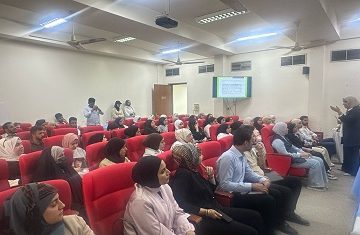

From the Scientific Classrooms of Baghdad to the Frontiers of Precision Medicine—CAR T-cell therapy represents a transformative advance in cancer immunotherapy, turning the patient’s own immune cells into genetically engineered therapeutic agents. The process begins with collecting T lymphocytes through leukapheresis, followed by genetic modification to express chimeric antigen receptors (CARs) that recognise specific antigens on target cells. After laboratory expansion, clinicians reinfuse these engineered cells into the patient, usually after lymphodepleting chemotherapy, to identify and eliminate malignant cells. This personalised, living-cell therapy has achieved durable remissions in selected patients with relapsed or refractory leukaemia, lymphoma, and multiple myeloma. Nevertheless, clinical success requires careful management of cytokine release syndrome (CRS), immune effector cell-associated neurotoxicity syndrome (ICANS), and other potentially serious complications. Extending CAR-T therapy to solid tumours remains challenging because of antigen heterogeneity, limited tumour infiltration, and immunosuppressive microenvironments. Moving this innovation from bench to bedside demands rigorous quality control, specialised clinical training, long-term safety monitoring, and robust regulatory oversight to bring precision immunotherapy closer to its full therapeutic potential. https://www.linkedin.com/feed/